
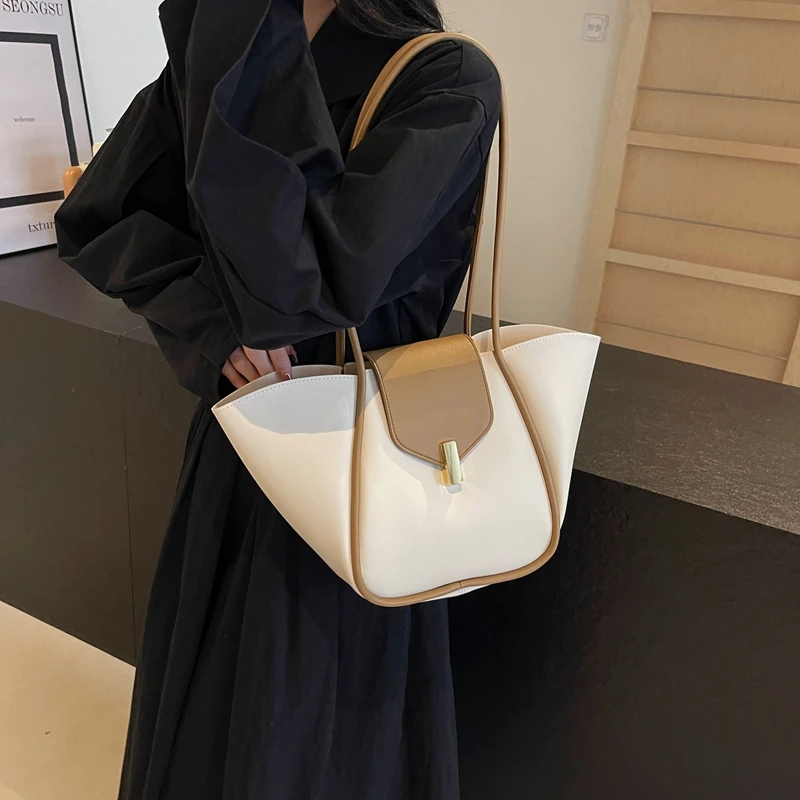
Faux leather work bags have become increasingly popular alternatives to genuine leather, offering style and functionality at a more accessible price point. Made primarily from polyurethane (PU) or polyvinyl chloride (PVC), these synthetic materials mimic the look of real leather while addressing ethical concerns about animal products.
But the question on everyone’s mind remains: how long can you expect a faux leather work bag to last?
The typical lifespan of a faux leather work bag ranges from 1-5 years, depending significantly on:
- The quality of materials used in manufacturing
- Construction techniques and hardware quality
- How often you use the bag
- Environmental conditions it’s exposed to
- Maintenance and care practices
As creators of premium bags at Redfurni Home, we’ve extensively researched various materials to understand durability factors. In this comprehensive guide, we’ll explore:
- Different faux leather types and their durability profiles
- Realistic lifespan expectations for work bags
- How faux leather compares to genuine leather
- Common durability issues and how to prevent them
- Maintenance strategies to maximize your bag’s lifespan
Whether you’re considering timeless classic leather briefcases or exploring non-leather work bags, understanding durability factors will help you make an informed decision for your professional life.
Understanding Faux Leather Materials and Their Durability
Not all faux leather is created equal, and the type used directly impacts how long your work bag will last. Let’s examine the primary materials and their durability characteristics:
Types of Faux Leather and Durability Profiles
PU (Polyurethane) Leather:
– More flexible and breathable
– Generally more durable and resistant to cracking
– Higher-quality feel and appearance
– Typical lifespan: 2-5 years with proper care
PVC (Polyvinyl Chloride) Leather:
– Less expensive to produce
– Stiffer feel and lower flexibility
– More prone to cracking and peeling over time
– Typical lifespan: 1-3 years with regular use
Biocasts and Plant-Based Alternatives:
– Newer technologies combining natural and synthetic materials
– Varying durability profiles, but premium options can last 3-7 years
– Often more environmentally sustainable
– Generally more expensive but increasingly durable
The manufacturing process significantly impacts durability as well. Higher-quality faux leather features:
– Thicker synthetic coating
– More durable fabric backing
– Better bonding between layers
– More flexible polymer formulations
Understanding the differences between faux vs vegan leather options can help you choose materials that align with both your durability requirements and ethical preferences.
| Material Type | Typical Lifespan | Strengths | Weaknesses |
|---|---|---|---|
| Low-grade PVC | 8-18 months | Inexpensive, water-resistant | Prone to cracking, peeling, stiff feel |
| Standard PU | 2-3 years | Flexible, breathable, moderate cost | Moderate resistance to UV damage |
| Premium PU | 3-5 years | Excellent flexibility, appearance, durability | Higher cost, specific care requirements |
| Plant-based | 2-5+ years | Eco-friendly, unique appearance | Variable durability, higher cost |
Typical Lifespan of Faux Leather Work Bags
When investing in a faux leather work bag, setting realistic expectations about its longevity helps you make a more informed purchase decision. The typical lifespan varies significantly based on material quality:
Low-Quality Faux Leather:
– 8-18 months with regular work use
– Shows wear quickly, especially at corners and edges
– May begin peeling or cracking within the first year
– Often uses thinner PVC materials with minimal reinforcement
Mid-Range Faux Leather:
– 2-3 years with proper care
– More resistant to everyday wear and tear
– Better construction at stress points
– Usually made from standard PU with decent backing
High-Quality Faux Leather:
– 3-5 years, sometimes longer with excellent care
– Premium materials with advanced durability treatments
– Superior construction techniques
– Often uses thicker PU or specialized vegan leather alternatives
Work bags face particular durability challenges compared to occasional-use accessories. The daily commute subjects bags to consistent stress:
- Regular loading and unloading of laptops and documents
- Frequent handling and setting down on various surfaces
- Exposure to different weather conditions
- Higher weight loads than casual bags
Understanding how long faux leather bags last in different circumstances can help set appropriate expectations. Normal wear signs include slight softening of the material and minor scuffing, while premature deterioration includes cracking, separation of layers, or hardware failure.
For those looking for options, our selection of faux leather work totes features different durability ratings to match various professional needs.
6 Key Factors Affecting Faux Leather Work Bag Durability
1. Material Quality and Manufacturing Process
The foundation of any durable faux leather bag starts with its materials. Higher-quality faux leather features:
- Thicker synthetic coating that resists abrasion
- Premium fabric backing that prevents stretching
- Advanced bonding techniques between layers
- Specialized treatments to resist UV damage and cracking
Manufacturing processes vary widely, with more expensive bags typically using multi-layer construction and higher-grade polymers that maintain flexibility over time.
2. Bag Construction and Design Elements
Beyond the material itself, construction details significantly impact longevity:
- Reinforced stitching at stress points prevents tearing
- Double-stitched handles and straps distribute weight better
- Edge finishing techniques seal material edges against moisture
- Quality hardware attachment methods prevent pulling and tearing
- Interior structure and support prevent sagging and deformation
Bags with thoughtful design elements focused on durability often last significantly longer, even when made from similar materials as lower-quality options.
3. Daily Usage Patterns
How you use your bag directly impacts its lifespan:
- Consistently carrying heavy loads accelerates wear
- Frequent opening and closing stresses zippers and closures
- Setting bags on rough surfaces damages the bottom and corners
- Handling with dirty hands transfers oils that can degrade the material
- Improper storage between uses can cause deformation
A bag used daily for heavy items will naturally wear faster than one used occasionally for lighter loads.
4. Environmental Conditions
Faux leather is particularly vulnerable to environmental factors:
- High temperatures can cause softening and deformation
- Direct sunlight leads to color fading and material degradation
- Extreme cold reduces flexibility and can lead to cracking
- High humidity may affect adhesives used in construction
- Rapid temperature changes stress the material’s structure
Professionals who work primarily indoors will typically see longer lifespans from their bags compared to those regularly exposed to outdoor elements.
5. Cleaning and Maintenance
Regular, appropriate care significantly extends faux leather durability:
- Gentle cleaning removes dirt that can abrade the surface
- Appropriate conditioners maintain flexibility
- Prompt attention to spills prevents staining
- Proper drying techniques prevent moisture damage
- Use of protectants creates barriers against environmental damage
The ultimate guide to faux leather bag care provides detailed maintenance protocols that can double the life of your bag.
6. Quality of Interior Components
Often overlooked, interior elements contribute significantly to overall durability:
- Sturdy lining resists tearing and helps maintain structure
- Quality interior pockets and dividers distribute weight
- Reinforced interior seams prevent separation
- Internal structure supports prevent sagging and deformation
- Protected interior edges resist fraying and separation
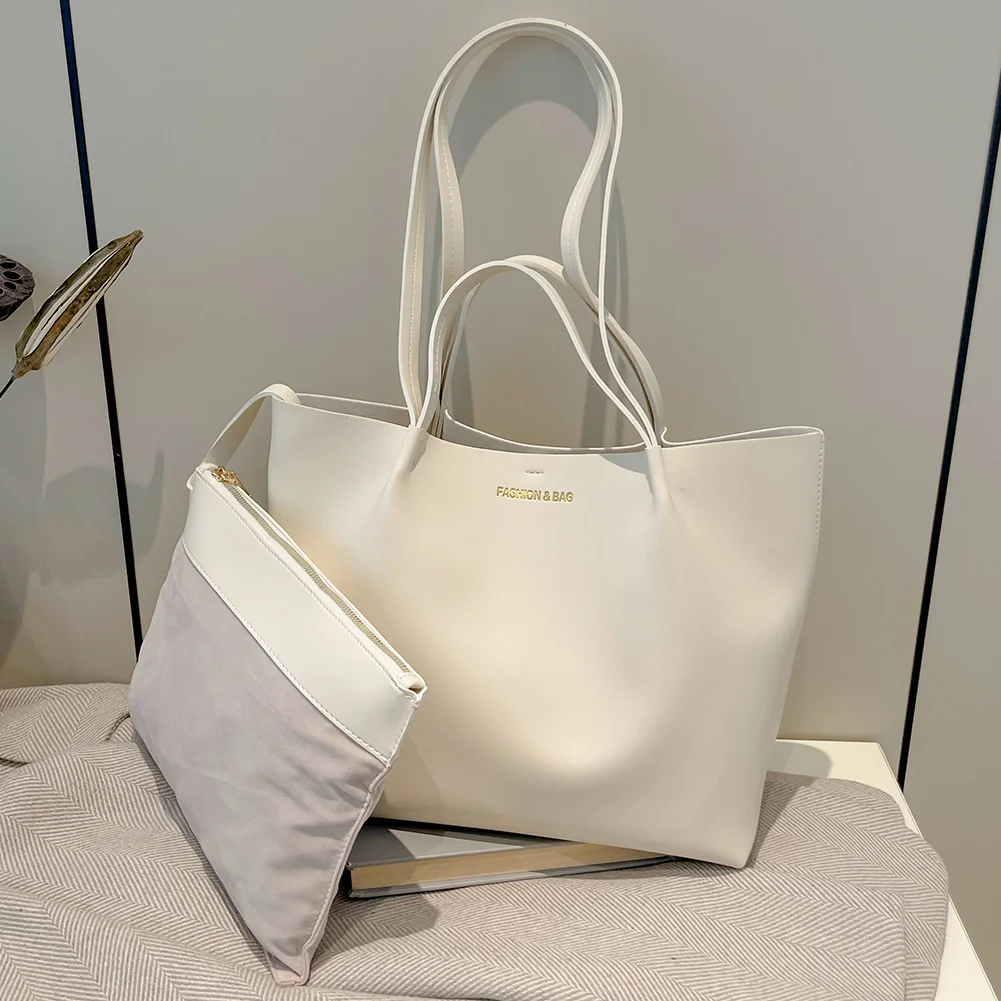
Faux Leather vs. Genuine Leather: The Durability Comparison
When deciding between faux and genuine leather for a work bag, understanding the durability differences is crucial:
| Durability Factor | Faux Leather | Genuine Leather |
|---|---|---|
| Expected Lifespan | 1-5 years | 10+ years with proper care |
| Aging Characteristics | Tends to crack, peel, or delaminate | Develops desirable patina, softens with use |
| Water Resistance | Generally good initially, decreases over time | Poor without treatment, but can be waterproofed |
| Scratch Resistance | Low to moderate depending on quality | Initially low, but scratches often blend into patina |
| Heat Resistance | Poor – can warp or melt | Moderate – will dry out but maintains structure |
| Repairability | Limited – major damage usually unrepairable | High – can be restored and repaired by professionals |
While genuine leather comes with a higher initial investment, durable leather briefcase options often provide better long-term value through their extended lifespan. A quality leather briefcase can last decades with proper care, while even premium faux leather typically needs replacement within 5 years.
For those who prefer animal-free products, the latest generation of vegan leather work totes offers significantly improved durability compared to earlier synthetic options.
The value consideration extends beyond just durability. Genuine leather typically looks better as it ages, while faux leather generally deteriorates in appearance over time. However, faux leather offers advantages in initial water resistance and requires less specialized maintenance.
Common Durability Issues in Faux Leather Work Bags
Understanding common problems helps you identify early warning signs and take preventive action:
1. Surface Cracking and How It Develops
Cause: Loss of plasticizers in the material, UV exposure, repeated flexing
Early Signs: Small lines appearing in high-flex areas like corners
Prevention: Keep away from heat sources, apply conditioners designed for synthetic leather
Repairability: Minor cracks can sometimes be treated with specialized products, but extensive cracking is usually irreparable
2. Peeling and Flaking of the Outer Layer
Cause: Breakdown of adhesive between synthetic coating and fabric backing
Early Signs: Small bubbles forming, edges beginning to lift
Prevention: Avoid exposure to harsh chemicals, including some cleaners
Repairability: Not repairable once begun; can sometimes be temporarily masked but not fixed
3. Corner and Edge Wear
Cause: Friction and impact from daily use
Early Signs: Color changes or smoothing at corners
Prevention: Careful handling, avoiding setting bag on rough surfaces
Repairability: Limited; some color restoration products can help but won’t replace lost material
4. Color Transfer and Fading
Cause: UV exposure, friction with clothing, chemical exposure
Early Signs: Uneven coloration, especially in areas exposed to sunlight
Prevention: Storage away from sunlight, use of UV protectants
Repairability: Some color restoration products help, but results vary widely
5. Hardware Failures
Cause: Weight stress, poor attachment methods, metal fatigue
Early Signs: Loosening of hardware, small tears around attachment points
Prevention: Avoid overloading, distribute weight evenly
Repairability: Sometimes repairable by replacing hardware if the surrounding material is intact
For those prioritizing durability, exploring durable non-leather professional bags can provide alternatives specifically engineered to address these common issues.
How to Maximize Your Faux Leather Work Bag’s Lifespan
With proper care, you can significantly extend your bag’s useful life:
1. Regular Cleaning Routine
- Wipe down weekly with a soft, slightly damp cloth
- Use cleaners specifically formulated for synthetic leather
- Test any new product on an inconspicuous area first
- Never use alcohol, acetone, or oil-based products
- Remove dust and debris regularly to prevent abrasion
2. Proper Storage Practices
- Store in a cool, dry place away from direct sunlight
- Use dust bags when not in regular use
- Maintain shape with tissue paper or a bag shaper when stored
- Don’t hang by handles for extended periods
- Keep away from heating sources that can dry out the material
3. Handling Best Practices
- Avoid overstuffing which stresses seams and closures
- Distribute weight evenly throughout compartments
- Clean hands before handling to prevent oil transfer
- Pick up by handles rather than grabbing body of the bag
- Set down carefully rather than dropping onto surfaces
4. Protection From Environmental Damage
- Apply faux leather protectant sprays designed for synthetics
- Keep away from direct sunlight when not in use
- Avoid extreme temperature fluctuations
- Wipe off water promptly rather than allowing to air dry
- Use umbrella or cover during heavy rain
5. Addressing Damage Promptly
- Treat small scratches immediately with appropriate products
- Reinforce loosening threads before they unravel
- Replace damaged hardware promptly to prevent further tearing
- Address stains immediately before they set
- Consider professional cleaning for significant soiling
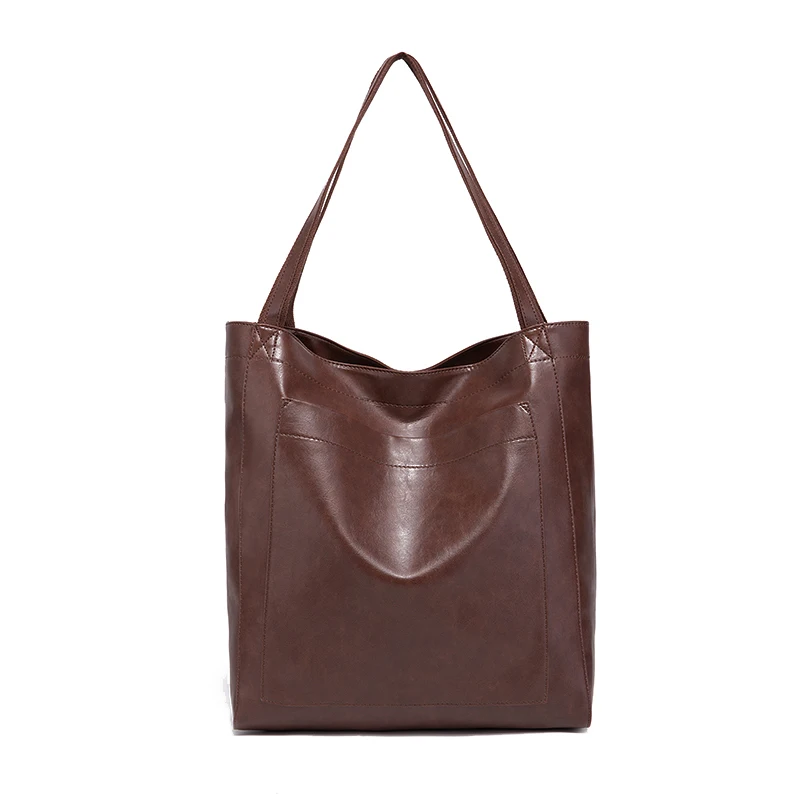
Many of these techniques align with those used for genuine leather, though with different products. Learn more about caring for leather work bags for additional maintenance insights.
What to Look For When Buying a Durable Faux Leather Work Bag
When shopping for a faux leather work bag with longevity in mind, examine these key factors:
1. Material Quality Indicators
- Uniform texture throughout the surface
- Consistent coloration without blotchiness
- Appropriate flexibility without seeming plastic-like
- No strong chemical odor (indicates poor manufacturing)
- Smooth, sealed edges without fraying
2. Construction Quality Markers
- Even, tight stitching with no loose threads
- Reinforced stitching at stress points like handles and corners
- Quality hardware with solid attachment methods
- Smooth-operating zippers with backup stitching
- Reinforced bottom with protective feet if applicable
3. Design Elements That Impact Longevity
- Reinforcement at corners and high-wear areas
- Structured design that maintains shape when empty
- Multiple attachment points for handles and straps
- Protective hardware at potential scrape points
- Interior organization that prevents items from shifting
4. Brand Reputation and Warranty Considerations
- Research brand track record for durability
- Check warranty terms and customer service reputation
- Look for specific durability claims or guarantees
- Read reviews focusing on long-term use experiences
- Consider manufacturer’s willingness to address issues
5. Price-Quality Relationship
- Extremely low-priced bags rarely offer good durability
- Mid-range options ($75-150) often represent the best durability-to-price ratio
- Premium options ($150+) should feature superior materials and construction
- Consider cost-per-use rather than just initial price
- Factor in replacement costs when choosing budget options
Many of these considerations overlap with those for genuine leather products. When choosing between materials, understanding how to choose the perfect leather briefcase provides valuable insights applicable to faux leather as well.
For those ready to explore options, our collection of vegan leather briefcases demonstrates these durability principles in action.
Black Leather Satchel, Brown Leather Satchel, Vegan Leather Work Tote
Price range: $69.58 through $73.23 Select options This product has multiple variants. The options may be chosen on the product page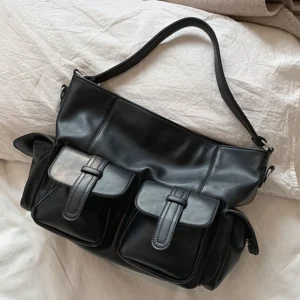

Black Leather Messenger Bag, Black Leather Work Tote, Faux Leather Work Tote
$101.88 Select options This product has multiple variants. The options may be chosen on the product page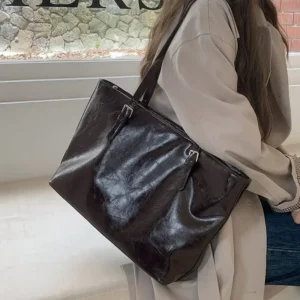
Black Leather Work Tote, Faux Leather Work Tote, Women's Leather Business Tote
Price range: $88.81 through $93.85 Select options This product has multiple variants. The options may be chosen on the product page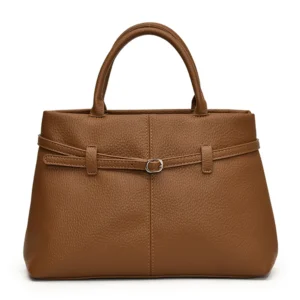
Black Leather Satchel, Faux Leather Work Tote, Vegan Leather Work Tote
$120.38 Select options This product has multiple variants. The options may be chosen on the product page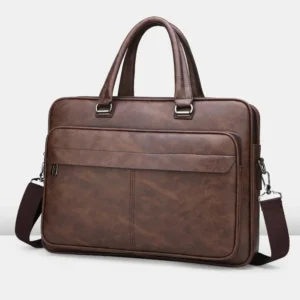
Men's Slim Leather Briefcase, Slim Leather Laptop Briefcase, Vegan Leather Briefcase
Price range: $120.82 through $131.11 Select options This product has multiple variants. The options may be chosen on the product page
Classic Laptop Briefcase, Vegan Leather Briefcase
$244.29 Select options This product has multiple variants. The options may be chosen on the product page
Is a Faux Leather Work Bag Right for Your Professional Needs?
Determining whether faux leather aligns with your specific professional requirements requires weighing several factors:
Professional Appearance Considerations
Faux leather works well in most professional environments, though very high-end settings may still favor genuine leather. Modern premium faux leather can maintain a professional appearance for 2-3 years before showing noticeable wear.
Budget vs. Replacement Frequency
While faux leather offers a lower initial investment, factor in potential replacement costs:
– $50-75 bag might need replacement every 1-2 years
– $100-200 bag typically lasts 2-4 years
– Premium options ($200+) may extend to 4-5 years
Specific Work Environment Challenges
Consider your daily work routine:
– Frequent travelers benefit from faux leather’s lighter weight
– Outdoor professionals may need genuine leather’s better weather resistance
– Office workers with minimal commuting will see longer lifespan from faux leather
– Those in humid or extremely variable climates may experience faster deterioration
Personal Values Alignment
Faux leather aligns well with:
– Ethical concerns about animal products
– Preferences for vegan professional accessories
– Desire for lower-maintenance options
– Budget-conscious professionals
– Those who enjoy changing accessories regularly
For professionals seeking both affordability and style, affordable faux leather work bags provide excellent starting points for building a professional wardrobe.
FAQ: Quick Answers About Faux Leather Bag Durability
Can you repair peeling faux leather?
Unfortunately, once faux leather begins peeling, it cannot be truly repaired. Temporary solutions include specialized tape for small areas or covers/sleeves, but these are stopgap measures. Prevention is the best approach.
Does faux leather crack in cold weather?
Yes, extreme cold reduces faux leather’s flexibility, making it more prone to cracking. Quality PU leather performs better in cold than PVC. When exposing your bag to cold temperatures, allow it to warm gradually before handling.
Are more expensive faux leather bags always more durable?
While price often correlates with durability, it’s not guaranteed. Some mid-range bags offer excellent durability while some expensive options prioritize aesthetics over longevity. Research specific brands and read durability-focused reviews.
How can you tell high-quality faux leather from low-quality?
High-quality faux leather has consistent texture, no strong chemical smell, even coloration, appropriate weight, smooth sealed edges, and flexibility without stretching. Low-quality options often feel plastic-like, thin, and have irregular textures.
Is faux leather waterproof?
Most faux leather is water-resistant rather than waterproof. It can handle light rain or brief exposure, but prolonged contact with water can damage the material over time, particularly at seams and attachment points. Always dry promptly after exposure.
For broader options beyond just faux leather, explore our collection of non-leather work bags designed for professional use.
Conclusion
Faux leather work bags offer a practical alternative to genuine leather, typically lasting 1-5 years depending on quality, care, and usage patterns. Understanding the material composition, construction quality, and maintenance requirements helps you set realistic expectations and maximize your bag’s lifespan.
While genuine leather remains the gold standard for durability in professional bags, today’s premium faux leather options provide increasingly competitive longevity. By selecting quality construction, practicing proper care, and understanding early warning signs of wear, you can enjoy both the ethical benefits of faux leather and satisfactory durability for your professional life.