
Understanding Faux Leather: Materials, Types & Quality Differences
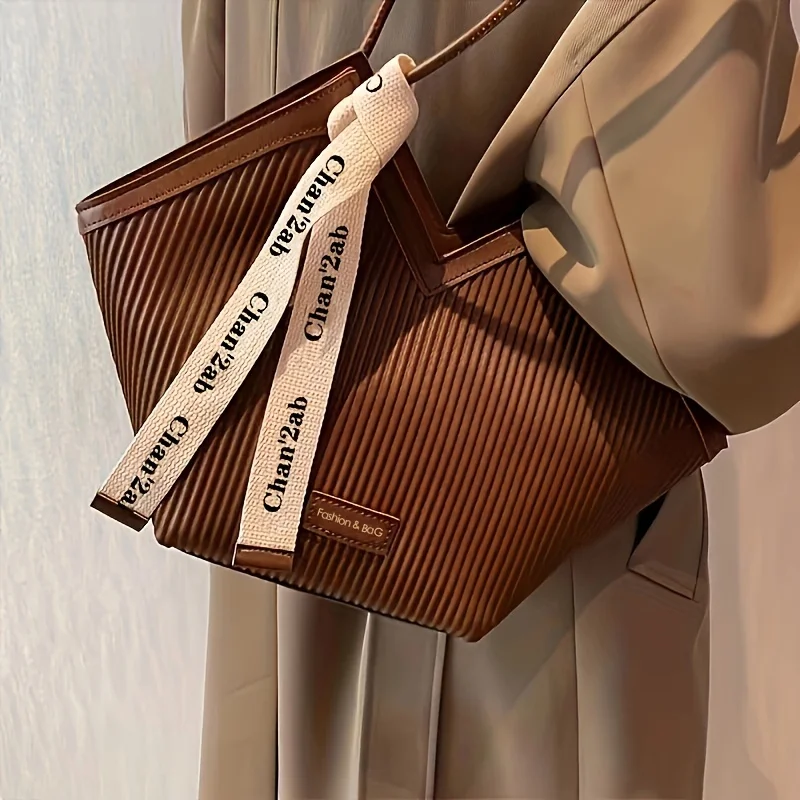
Faux leather (also known as synthetic leather or vegan leather) refers to materials created to mimic the look and feel of genuine leather without using animal products. These materials typically consist of a fabric backing coated with plastic polymers or plant-based alternatives designed to replicate leather’s appearance and texture.
Many people choose faux leather bags for several compelling reasons. Ethical considerations top the list for those concerned about animal welfare. Cost is another significant factor, as faux leather products are generally more affordable than their genuine leather counterparts. Additionally, faux leather offers certain maintenance advantages, including easier cleaning and greater resistance to water damage.
The durability of faux leather bags varies significantly depending on the type of material used:
PU (Polyurethane) Leather: This popular faux leather type features a fabric base coated with a flexible polymer. PU leather is known for its breathability, softness, and flexibility. It tends to be more durable than other synthetic options, resisting cracks and peeling when properly maintained. Higher-quality PU leather can closely mimic genuine leather’s texture and has better longevity.
PVC (Polyvinyl Chloride) Leather: PVC-based faux leather creates a more rigid material with excellent water resistance. While generally less breathable than PU, it offers good durability for structured bags. However, PVC can become brittle over time, especially when exposed to direct sunlight or temperature extremes.
Innovative Synthetics: The market now features advanced faux leather options including bio-based PU (made partially from plant oils), microfiber-based synthetics (with extraordinarily fine fibers creating a suede-like texture), and completely plant-based alternatives derived from sources like pineapple leaves, apple peels, or cactus. These newer materials often offer improved durability while reducing environmental impact.
| Material Type | Breathability | Flexibility | Maintenance Needs | Water Resistance | Average Durability |
|---|---|---|---|---|---|
| PU Leather | Moderate | High | Low to Moderate | Good | 3-5+ years |
| PVC Leather | Low | Low to Moderate | Low | Excellent | 2-4 years |
| Premium Synthetics | Moderate to High | High | Low to Moderate | Good to Excellent | 4-10+ years |
The thickness of faux leather significantly impacts durability, with quality options ranging from 0.5mm to 1.2mm. Thicker materials generally offer better longevity but may sacrifice flexibility. The backing material’s quality also determines how well the faux leather maintains its shape and resists stretching over time.
Understanding these material differences helps when exploring vegan leather work tote options and making informed decisions about expected longevity. For a deeper dive into material science and production processes, many professionals benefit from learning about various vegan leather alternatives and their unique properties.
Realistic Lifespan: How Long Faux Leather Bags Actually Last
When investing in a faux leather bag, having realistic expectations about its lifespan helps you make informed purchasing decisions and properly evaluate value for money. The durability of faux leather varies dramatically based on quality tier:
Low-Quality Faux Leather Bags (1-3 years)
* Often feature thin PVC coatings over inexpensive backings
* Typically show peeling corners and edges within months of regular use
* Hardware tends to fail before the material itself
* Chemical odor that doesn’t dissipate quickly often indicates lower quality
* Stitching may unravel at stress points relatively quickly
Mid-Range Quality Faux Leather Bags (2-5 years with proper care)
* Use better-quality PU coatings with more durable backing materials
* Maintain appearance longer with proper maintenance
* Feature more consistent coloring and texture
* Include reinforced stress points and better hardware
* Often balance reasonable cost with acceptable durability
Premium Faux Leather Products (5+ years)
* Incorporate multi-layered construction with high-grade materials
* Use thicker, more durable coatings (often proprietary blends)
* Feature professional-grade hardware and reinforced construction
* Some high-end options can last 10+ years with appropriate care
* Closely mimic genuine leather’s appearance and durability
A common misconception is that all faux leather products fall apart quickly. While low-quality options may deteriorate rapidly, premium synthetic leathers can maintain their appearance and function for many years. The significant variance in longevity makes quality assessment crucial when shopping.
Proper care dramatically extends a faux leather bag’s lifespan. Even mid-range products can last toward the higher end of their expected lifespan with consistent maintenance, while neglected premium bags might deteriorate prematurely. Daily habits like avoiding overstuffing, proper storage, and regular cleaning play crucial roles in maximizing longevity.
For professionals seeking long-lasting options, exploring quality faux leather work totes can provide both style and durability. The material quality determines approximately 60-70% of a bag’s potential lifespan, with construction quality and user care dividing the remaining influence.
Material Quality Impact on Durability: What to Look For
The base material quality serves as the foundation for faux leather durability, making it the single most important factor in determining how long your bag will last. Understanding quality indicators helps you make smarter purchasing decisions:
Key Quality Indicators in Faux Leather Materials:
Thickness Consistency – Quality faux leather maintains uniform thickness throughout (typically 0.7-1.2mm for durable bags). Run your fingers across the material to check for inconsistencies that might indicate manufacturing shortcuts.
Appropriate Weight – Premium faux leather has substantial weight without being excessively heavy. It should feel robust but not bulky or plastic-like when handled.
Backing Material Strength – The fabric base beneath the synthetic coating significantly affects durability. Look for tightly woven, non-stretchy backings that provide structure without excessive rigidity.
Surface Treatment Quality – Examine the finish for consistent texture and color. Quality faux leather has an even surface without obvious imperfections, bubbling, or uneven shine.
Flexibility and Recovery – Gently fold the material and observe how it responds. High-quality faux leather returns to its original shape quickly without creating permanent creases or stress marks.
Higher-grade PU leather typically offers superior durability compared to basic PVC options. Premium PU features more advanced manufacturing techniques that create multiple layers with better breathability and flexibility. These properties help prevent the cracking and peeling common with lower-quality materials.
When assessing material quality before purchase, consider these practical tests:
- Press your fingernail lightly into an inconspicuous area – quality materials resist immediate indentation
- Stretch the material gently – better faux leathers have minimal stretch and excellent recovery
- Smell the material – excessive chemical odors often indicate lower-quality processing
- Examine edges – higher-quality faux leather has clean, consistent edges with good color penetration
For professionals comparing various professional bag options, understanding quality differences between professional leather briefcases and their faux leather counterparts helps in making informed decisions based on both ethical preferences and durability needs.
Construction & Craftsmanship: Beyond Materials
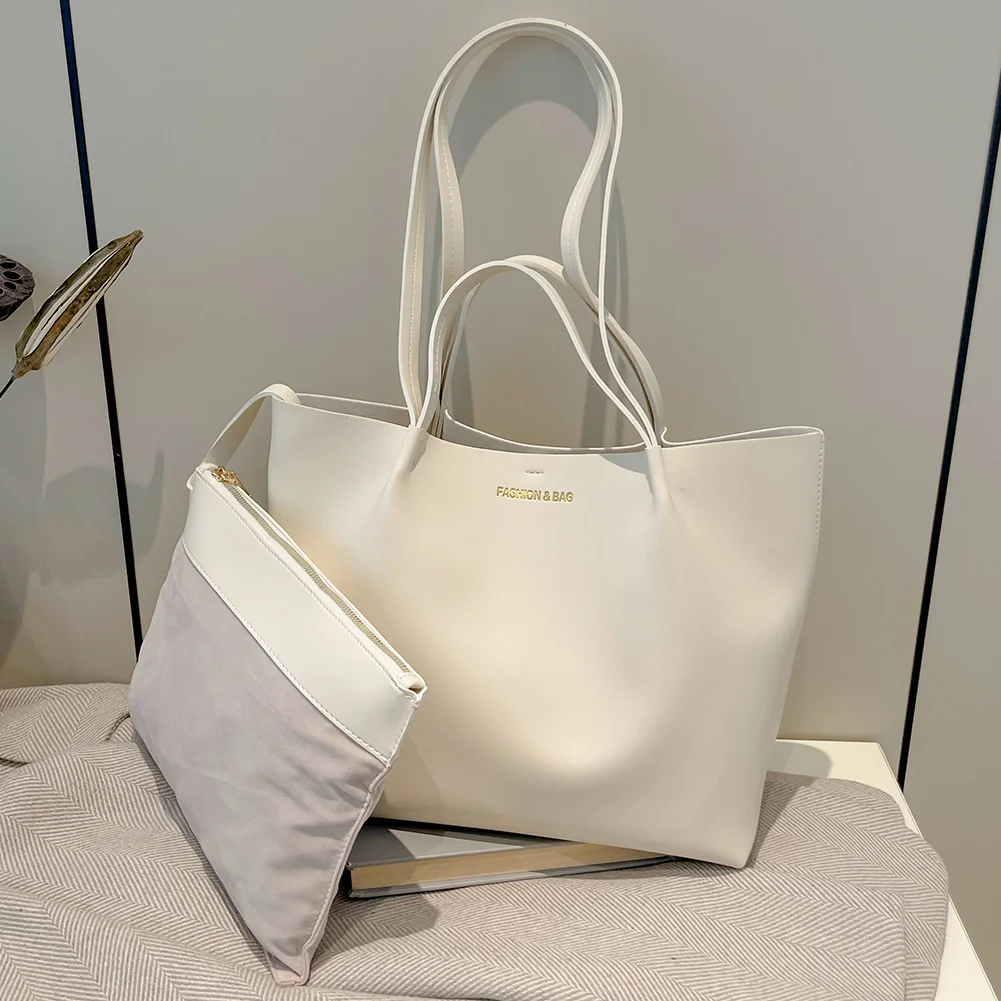
While material quality forms the foundation of a durable faux leather bag, construction and craftsmanship ultimately determine how well that material holds up over time. Even the finest synthetic leather will fail prematurely if poorly assembled.
Stitching Quality
The stitching on high-quality faux leather bags demonstrates precision and reinforcement. Look for:
* Even, straight stitching with 8-12 stitches per inch
* Double stitching at stress points like handle attachments and corners
* No loose threads, skipped stitches, or uneven tension
* Proper thread selection that complements the material’s stretch properties
* Reinforced backstitching at beginning and end points
Hardware Durability
Hardware components often fail before the bag material itself, making their quality essential:
* Zippers should move smoothly with substantial pull tabs that don’t bend easily
* Metal hardware should have weight and heft rather than feeling hollow
* Clasps and buckles should close securely without excessive force
* Rivets and attachment points should be firmly secured without visible gaps
* Plating quality affects tarnish resistance (look for consistently finished surfaces)
Edge Finishing
The way edges are finished significantly impacts durability:
* Clean, straight cuts without fraying or unevenness
* Edge coating or folding that fully covers raw edges
* Consistent color matching between edges and the main material
* No visible glue excess or sloppy application
* Edges that resist peeling when gently tested
Interior Construction
Quality interior construction protects the bag’s structure and contents:
* Lining material securely attached without bubbling or separation
* Reinforced pocket corners to prevent tearing
* Properly finished seams that won’t unravel
* Sturdy dividers that maintain shape without excessive flexibility
* Additional reinforcement where the lining meets the exterior
Quality-Check Checklist:
– [ ] Examine all stitching for evenness and reinforcement
– [ ] Test all hardware functions multiple times
– [ ] Check edge finishing for consistency and coverage
– [ ] Inspect interior attachment points and pocket construction
– [ ] Assess handle and strap reinforcement
– [ ] Examine bottom corners and base for additional support
Understanding construction principles helps when researching how to choose the perfect leather briefcase, as many quality indicators apply equally to both genuine and faux leather products. Professional bags with superior construction command higher prices but typically deliver substantially better longevity.
Usage & Environmental Factors: Daily Habits That Affect Durability
How and where you use your faux leather bag dramatically impacts its lifespan, often as much as the material quality itself. Understanding these factors helps you develop habits that maximize durability.
Frequency and Manner of Use
Daily use naturally accelerates wear compared to occasional use. Bags used every day may show signs of aging within 1-2 years, while identical bags used only weekly might maintain their appearance for 3-4 years or longer. This doesn’t mean you shouldn’t use your favorite bag regularly, but rotating between several bags significantly extends each one’s lifespan.
Weight-bearing capacity represents a critical consideration for faux leather bags. Consistently exceeding a bag’s intended capacity stresses the material, seams, and hardware. This leads to premature stretching, handle separation, or material cracking. Most professional faux leather bags are designed to carry 10-15 pounds comfortably; regularly exceeding this by even a few pounds accelerates deterioration.
Contact with abrasive surfaces progressively damages faux leather’s protective coating. Setting your bag on rough concrete, placing it on the floor of public transportation, or regularly sliding it across textured surfaces creates microscopic scratches that accumulate over time, eventually allowing moisture to penetrate and compromise the material.
Environmental Impact Factors
Sunlight exposure represents one of the most destructive elements for faux leather. UV radiation breaks down the polymers in synthetic leather, causing:
* PVC faux leather to become brittle and crack within 2-3 months of regular direct sun exposure
* PU faux leather to fade and potentially delaminate after 4-6 months of regular sun exposure
* Color fading regardless of material type, particularly with darker colors
Temperature extremes affect different faux leather types differently. Heat above 90°F (32°C) can soften adhesives in cheaper faux leathers, leading to separation of layers. Cold temperatures below freezing make PVC particularly brittle and susceptible to cracking. Climate-controlled storage and avoiding leaving bags in cars during extreme weather significantly extends lifespan.
Humidity levels above 60% promote mildew growth on backing materials and weaken adhesives over time. Conversely, extremely dry conditions below 30% humidity can cause certain faux leathers to become brittle and develop surface cracks. Maintaining moderate humidity and allowing bags to properly air out between uses helps prevent these issues.
Professionals interested in maximizing bag longevity might benefit from reviewing comprehensive information about leather briefcase buying considerations, as many environmental concerns apply similarly across different bag materials.
Essential Care Routine: Daily & Weekly Maintenance
Establishing a consistent care routine dramatically extends your faux leather bag’s lifespan. These simple habits require minimal time but deliver significant durability benefits.
Daily Quick-Care Habits (5-Minute Routine)
- Empty completely at day’s end to prevent stretching and distortion
- Wipe down exterior with a soft, dry cloth to remove dust and oils
- Check for spills or stains and address immediately before they set
- Stand bag upright with proper support or lay flat to maintain shape
- Remove shoulder straps when storing overnight to prevent stress on attachment points
Weekly Cleaning Procedure
- Empty all contents and shake out interior debris
- Surface clean the exterior:
* Create a cleaning solution with mild soap and lukewarm water (never hot)
* Dampen a soft microfiber cloth with the solution (cloth should be damp, not wet)
* Gently wipe the entire surface using circular motions
* Pay special attention to handles and other high-contact areas
* Wipe again with a clean, damp cloth to remove soap residue - Dry thoroughly with a soft towel and allow to air dry completely before storage
- Clean hardware with a dry cloth, avoiding moisture on metal parts
- Check and address any new scuffs or marks
Monthly Deeper Maintenance
- Inspect stitching and edges for early signs of wear
- Clean interior lining with a slightly damp cloth or fabric-appropriate cleaner
- Apply appropriate conditioner if your faux leather type benefits from it
- Check and clean hardware joints where dirt accumulates
- Reshape any areas beginning to sag or lose structure
Avoiding Damaging Practices
- Never use harsh chemicals like alcohol, acetone, or bleach-based cleaners
- Avoid direct heat sources when drying, including hair dryers and radiators
- Never soak faux leather as water can penetrate and damage backing materials
- Don’t use colored cloths that might transfer dye to your bag
- Avoid petroleum-based products which can break down synthetic materials
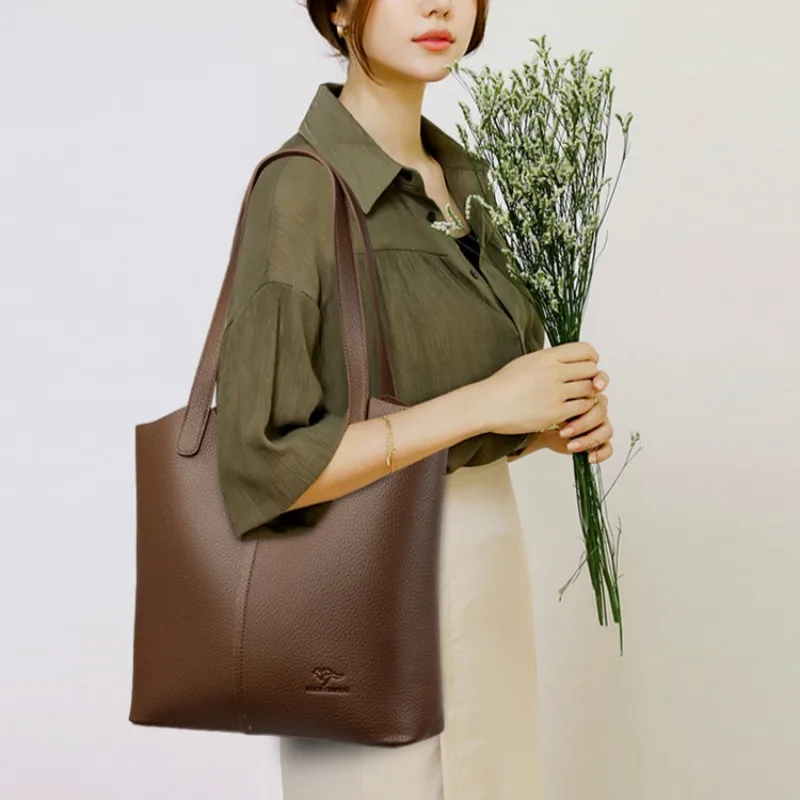
For professionals seeking to maintain both appearance and function, implementing principles from the professionals guide to leather bag care can be effectively adapted for faux leather work bags as well. Many care techniques overlap, though faux leather typically requires less specialized conditioning than genuine leather.
Deep Cleaning & Conditioning: Extending Bag Life
Beyond regular maintenance, periodic deep cleaning extends your faux leather bag’s lifespan by removing accumulated grime and revitalizing the material. This more intensive process should typically be performed quarterly for daily-use bags or biannually for occasionally-used items.
When to Deep Clean
* Visible soil or stains that don’t respond to regular cleaning
* Dull appearance or loss of luster
* Sticky feel developing on the surface
* After exposure to harsh conditions (rain, extreme heat, etc.)
* Before seasonal storage
Deep Cleaning Protocol
Preparation:
* Empty bag completely and remove any detachable straps/accessories
* Vacuum interior using low suction with upholstery attachment
* Test cleaning solution on an inconspicuous area first
* Cover any metal hardware with tape if it cannot be removedCleaning Process:
* Create a cleaning solution with mild soap (like Dove) and lukewarm water (1:4 ratio)
* Dampen a microfiber cloth with the solution (not soaking wet)
* Clean in sections using gentle circular motions
* For stubborn stains, allow the damp cloth to rest on the area for 20-30 seconds before wiping
* Follow with a clean, damp cloth to remove soap residue
* Pay special attention to seams, edges, and handle areas where oils accumulateDrying Technique:
* Blot excess moisture with a clean, dry towel
* Air dry completely away from direct heat sources and sunlight
* Allow 24 hours of drying time before using or storing
* Do not pack or fold until completely dry
Conditioning Faux Leather
Unlike genuine leather, not all faux leather requires conditioning, but many types benefit from appropriate treatment:
- PU Leather: Generally benefits from occasional conditioning to prevent drying and cracking
- PVC Leather: Rarely needs conditioning but can benefit from products specifically for vinyl
- Bio-Based Alternatives: Often require specific care products recommended by manufacturers
When conditioning is appropriate:
- Choose products specifically formulated for synthetic leather (avoid products containing mink oil or other animal-derived ingredients)
- Apply a small amount to a soft cloth (never directly to the bag)
- Work into the material using gentle circular motions
- Focus on areas showing dryness or early cracking
- Allow to absorb for the time specified on product instructions
- Buff away any excess with a clean cloth
Important Warnings:
* Never use leather conditioners designed for genuine leather on faux leather
* Avoid silicone-based products which can cause discoloration
* Never apply oils (including baby oil) to PVC faux leather as they can damage the material
* Avoid alcohol-based cleaners which dry out and crack synthetic materials
For those interested in comparing maintenance requirements across different bag materials, exploring top-rated classic leather briefcases provides useful context for understanding the relative care needs of genuine versus faux leather options.
Proper Storage Techniques: Preventing Damage When Not In Use
How you store your faux leather bag when not in use significantly impacts its longevity. Proper storage prevents shape distortion, material stress, and environmental damage that can dramatically shorten your bag’s useful life.
Optimal Storage Conditions
- Temperature: Store between 65-75°F (18-24°C), avoiding extreme heat or cold which can damage synthetic materials
- Humidity: Maintain moderate humidity levels between 40-60% to prevent mold growth or material drying
- Light Exposure: Store away from direct sunlight and UV light which breaks down synthetic polymers
- Air Circulation: Allow some airflow around stored bags to prevent mustiness and mold development
Specific Storage Techniques
- Shape Maintenance:
- Stuff bag with acid-free tissue paper, bubble wrap, or air pillows to maintain shape
- Use enough stuffing to support structure without overstretching
- Specially shaped bags may benefit from custom inserts that maintain their precise form
Avoid using newspaper as the ink may transfer to the bag’s interior
Protective Covers:
- Store in original dust bag when available, or use cotton pillowcases
- Avoid plastic bags which trap moisture and can cause mildew
- Ensure any cover is clean and free of dyes that might transfer
Leave a small opening for air circulation if using a fully enclosed cover
Positioning Options:
- Stand structured bags upright with proper interior support
- Lay softer bags flat rather than hanging to prevent stress on handles
- Never hang by handles or straps which causes stretching and distortion
- Avoid folding or creasing faux leather which can create permanent damage lines
Long-Term Storage for Seasonal Bags
- Clean thoroughly before storing and ensure completely dry
- Condition if appropriate for your specific faux leather type
- Stuff to maintain shape and wrap hardware in tissue to prevent imprints
- Store in breathable dust cover in a climate-controlled location
- Check periodically for any signs of moisture or pest issues
- Avoid stacking heavy items on top which can cause compression damage
Maintaining proper storage habits is particularly important for those who invest in high-quality durable leather briefcase options, as many of these principles apply equally to maintaining both genuine and faux leather bags in optimal condition between uses.
Troubleshooting Common Issues: Prevention & Solutions
Even with careful maintenance, faux leather bags may develop certain issues over time. Understanding how to address these problems can extend your bag’s useful life and maintain its appearance.
Cracking and Peeling
Causes:
* UV exposure breaking down synthetic polymers
* Extreme temperature fluctuations
* Insufficient flexibility in the material
* Natural oils from hands drying out the surface
Prevention:
* Apply appropriate conditioner quarterly to maintain flexibility
* Store away from direct sunlight and heat sources
* Avoid extreme temperature changes
* Clean regularly to remove skin oils and contaminants
Solutions:
* Minor cracking: Apply specialized faux leather repair balm to seal cracks
* Early peeling: Trim loose pieces carefully and apply edge sealer
* Extensive damage: Consider professional repair or replacement for severely affected areas
Color Transfer and Fading
Causes:
* UV exposure degrading dyes
* Friction against clothing or other surfaces
* Chemical interaction with body oils or products
* Poor-quality dyes in the manufacturing process
Prevention:
* Store away from direct sunlight
* Apply UV protectant products designed for synthetic materials
* Be cautious when wearing with new or dark-colored clothing
* Avoid placing on printed materials that might transfer ink
Solutions:
* Light fading: Apply color-matched faux leather restorer
* Minor color transfer: Clean immediately with appropriate cleaner
* Significant color loss: Consider professional color restoration services
Scuffs and Scratches
Causes:
* Contact with rough or sharp surfaces
* Improper storage
* Jewelry or accessories causing friction
* Setting bag on abrasive surfaces
Prevention:
* Be mindful of surfaces where you place your bag
* Store properly with protection from other objects
* Be careful with jewelry when handling your bag
* Use a protective spray barrier on high-risk areas
Solutions:
* Minor scuffs: Gently buff with a soft cloth
* Surface scratches: Apply small amount of petroleum jelly, let sit briefly, then buff away
* Deeper scratches: Use faux leather repair kit with color-matching
Sticky Surface Development
Causes:
* Breakdown of plasticizers in lower-quality materials
* Chemical reaction to heat and humidity
* Interaction with certain cleaning products
* Natural aging process in some synthetic materials
Prevention:
* Store in climate-controlled environment
* Clean with appropriate products only
* Avoid exposure to high heat
* Select higher-quality materials that resist breakdown
Solutions:
* Early stickiness: Clean with mild soap solution and apply talcum powder
* Moderate stickiness: Clean and apply specialized vinyl restorer
* Advanced stickiness: Often signals end-of-life for the material
Hardware Issues
Causes:
* Metal fatigue from repeated use
* Corrosion from exposure to moisture
* Poor attachment to bag material
* Low-quality metal components
Prevention:
* Keep hardware dry and clean
* Avoid overfilling which stresses attachment points
* Handle zippers and clasps gently
* Apply small amount of appropriate lubricant to moving parts
Solutions:
* Loose hardware: Tighten visible screws or have professionally reinforced
* Tarnished metal: Clean with appropriate metal cleaner and soft cloth
* Broken components: Replace individual hardware through repair service
* Zipper issues: Apply zipper lubricant (never oil) and gently realign teeth
If your faux leather bag has reached the end of its usable life, exploring newer vegan leather messenger bag options with improved durability features might be worthwhile. Modern manufacturing techniques have significantly enhanced the longevity of these sustainable alternatives.
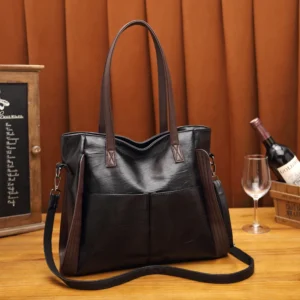
Black Leather Satchel, Brown Leather Satchel, Vegan Leather Work Tote
Price range: $69.58 through $73.23 Select options This product has multiple variants. The options may be chosen on the product page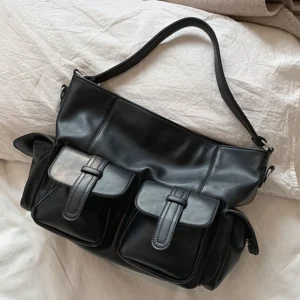

Black Leather Messenger Bag, Black Leather Work Tote, Faux Leather Work Tote
$101.88 Select options This product has multiple variants. The options may be chosen on the product page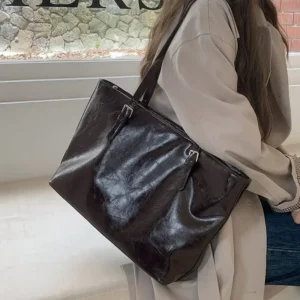
Black Leather Work Tote, Faux Leather Work Tote, Women's Leather Business Tote
Price range: $88.81 through $93.85 Select options This product has multiple variants. The options may be chosen on the product page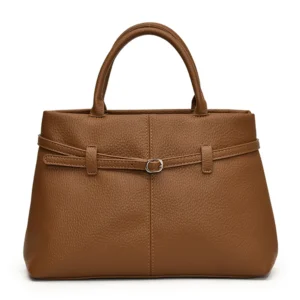
Black Leather Satchel, Faux Leather Work Tote, Vegan Leather Work Tote
$120.38 Select options This product has multiple variants. The options may be chosen on the product page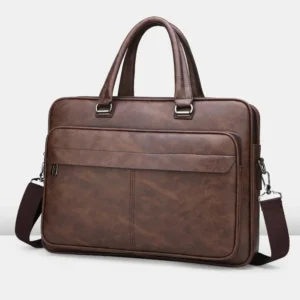
Men's Slim Leather Briefcase, Slim Leather Laptop Briefcase, Vegan Leather Briefcase
Price range: $120.82 through $131.11 Select options This product has multiple variants. The options may be chosen on the product page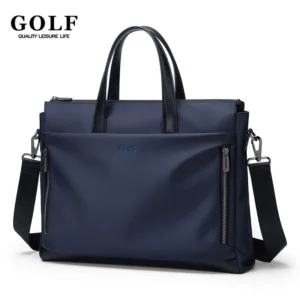
Classic Laptop Briefcase, Vegan Leather Briefcase
$244.29 Select options This product has multiple variants. The options may be chosen on the product page
Faux vs. Real Leather: Durability Comparison
When choosing between faux and genuine leather bags, durability considerations often influence decision-making alongside ethical, aesthetic, and budgetary factors. Understanding the key differences helps set realistic expectations about longevity.
Lifespan Expectations
With proper care, high-quality faux leather typically lasts 3-7 years with regular use. Premium options can extend to 10+ years in some cases. By comparison, quality genuine leather often maintains its functionality for 10-30+ years, developing character rather than deteriorating with age.
This lifespan difference stems from fundamental material properties. Genuine leather consists of natural fibers with inherent structural integrity, while faux leather relies on synthetic coatings bonded to backing materials—a construction more susceptible to separation and breakdown over time.
Aging Characteristics
The aging process differs dramatically between these materials:
* Genuine leather develops a desirable patina, becoming softer and more character-rich with age
* Faux leather typically deteriorates rather than improves, with surface coatings eventually breaking down
* Genuine leather can be rejuvenated through conditioning and professional restoration
* Faux leather has limited restoration options once significant breakdown begins
Damage Resistance Comparison
| Damage Type | Faux Leather | Genuine Leather |
|---|---|---|
| Water resistance | Excellent | Poor to Moderate (improves with treatment) |
| Heat resistance | Poor to Moderate | Moderate |
| Puncture resistance | Poor | Moderate to Excellent |
| Abrasion resistance | Moderate | Excellent (improves with age) |
| UV resistance | Poor | Moderate (fades but rarely cracks) |
| Chemical resistance | Variable | Generally good |
Maintenance Requirements
Faux leather generally requires less regular maintenance than genuine leather but offers fewer repair options:
* Genuine leather needs regular conditioning to prevent drying out
* Faux leather cleaning is typically simpler with mild soap and water
* Genuine leather can be professionally restored after significant damage
* Faux leather repair options are limited once structural damage occurs
Cost-to-Longevity Value
When analyzing long-term value:
* A $200 faux leather bag lasting 5 years costs approximately $40 per year of use
* A $500 genuine leather bag lasting 15+ years costs approximately $33 per year of use
* The initial investment differs significantly, making faux leather more accessible
* Genuine leather often offers better lifetime value for those planning very long-term use
Those interested in understanding genuine leather quality tiers more thoroughly might benefit from exploring defining best leather briefcases for comparative context. For professionals seeking animal-free alternatives with maximum durability, exploring vegan leather briefcase options featuring the latest materials can provide ethical choices without sacrificing professional appearance.
Smart Shopping Guide: Identifying Durable Faux Leather Bags
Making informed purchases requires knowing exactly what indicators signal durability in faux leather bags. This assessment framework helps identify products likely to deliver years of service rather than months of frustration.
Material Quality Assessment
Touch Test: Quality faux leather feels supple yet substantial. Run your fingers across the surface—it should feel smooth without tackiness or excessive stiffness.
Flexibility Evaluation: Gently bend the material—quality options flex naturally without creasing or showing white stress marks at fold points.
Smell Assessment: Overwhelming chemical odors typically indicate poor manufacturing processes and potentially harmful chemicals. Quality faux leather has minimal odor.
Backing Examination: Check visible interior sections or edges—the fabric backing should be tightly woven and well-bonded to the synthetic coating without any separation.
Construction Quality Verification
- Stitching Inspection: Look for:
- Even, tight stitches (8-12 per inch)
- Double stitching at stress points
- Thread color that perfectly matches or intentionally contrasts
No loose threads or skipped stitches
Edge Finishing: Examine all edges for:
- Clean, consistent finishing technique
- No visible raw edges or fraying
- Properly sealed or folded edge treatment
Consistent coloration along edges
Interior Construction:
- Check pocket construction and reinforcement
- Assess lining attachment—should be secure without bubbling
- Look for reinforced bottom panels in larger bags
- Verify interior organization features are properly secured
Hardware Quality Assessment
- Metal Components: Quality hardware has substantial weight and smooth function:
- Zippers should glide smoothly without catching
- Clasps should close securely with satisfying feedback
- Look for metal (not plastic) components in stress areas
Check for secure attachment to the bag body
Reinforcement Points: Examine areas where straps attach:
- Look for reinforced backing at connection points
- Check for rivets, extra stitching, or other reinforcement
- Test by gently pulling to ensure no give or stretching
Red Flags Signaling Poor Durability
- Uneven coloring or finish across the material
- Strong chemical smell that doesn’t dissipate
- Visible glue residue around seams or edges
- Peeling or bubbling visible on any surface
- Rough or sharp edges where components meet
- Loose threads or uneven stitching patterns
- Flimsy or lightweight feel to the material
Price-Quality Relationship
While price doesn’t guarantee quality, extremely low-priced faux leather bags rarely offer good durability. The sweet spot typically lies in the mid-range where quality materials meet good construction without premium brand markups. The evaluation techniques outlined in classic leather briefcase comparison guides apply equally well when assessing both genuine and faux leather construction quality.
When to Repair vs. Replace: Making Smart Decisions
Determining whether to repair or replace a damaged faux leather bag requires evaluating multiple factors including damage severity, repair costs, and bag value. This decision framework helps make economically and environmentally sound choices.
Damage Assessment Guidelines
- Minor Damage (Good repair candidates):
- Surface scuffs and scratches
- Small tears less than 1/2 inch
- Loose stitching or seam separation
- Hardware issues (broken zippers, loose clasps)
Minor color fading in limited areas
Moderate Damage (Potentially repairable):
- Tears between 1/2 inch and 2 inches
- Beginning layer separation at limited points
- Multiple areas of wear without material breakdown
- Water damage without mold development
Structural issues confined to non-critical areas
Severe Damage (Typically replacement candidates):
- Widespread peeling or cracking
- Material delamination across large areas
- Major tears exceeding 2 inches
- Significant structural failures
- Mold development or interior contamination
Cost-Benefit Analysis Framework
Evaluate repair value using this calculation:
1. Determine the replacement cost (current market value for similar bag)
2. Get repair cost estimate (professional service or DIY materials)
3. Estimate remaining useful life after repair (based on material condition)
4. Calculate: If repair cost is more than 50% of replacement cost AND the estimated remaining life is less than 2 years, replacement is typically more economical
Repair Success Probability
Different issues have varying repair success rates:
* Hardware replacement: 90-95% success rate
* Stitching repair: 80-90% success rate
* Small tears/punctures: 70-80% success rate
* Edge binding repair: 60-70% success rate
* Delamination/peeling: 30-40% success rate
* Large-scale cracking: 10-20% success rate
Sustainability Considerations
Environmental factors may influence your decision:
* Repairing extends the product life and reduces waste
* Quality repairs prevent short-term replacement cycles
* Consider recycling options if replacement is necessary
* Some manufacturers offer take-back or recycling programs
Responsible Disposal Options
When replacement is necessary:
* Donate usable bags to charitable organizations
* Repurpose materials for smaller projects
* Look for textile recycling programs that accept synthetic leather
* Some components (particularly hardware) can be salvaged for other uses
If you’ve determined replacement is your best option, exploring non-leather work bags with improved durability features provides modern alternatives designed to overcome common failure points of older faux leather products.
Is Premium Faux Leather Worth It? Quality-Price Analysis
The significant price variation between budget and premium faux leather bags raises an important question: does paying more actually deliver better durability? Understanding the value equation helps make informed purchasing decisions aligned with your needs and budget.
Material Quality Differences Across Price Tiers
Premium faux leather products typically justify higher prices through:
* More advanced multi-layer construction techniques
* Higher-grade base materials with better tear resistance
* Superior adhesives that resist delamination longer
* More flexible coatings that resist cracking
* UV-resistant treatments that prevent premature breakdown
* More environmentally friendly manufacturing processes
Budget options often compromise on these elements, using thinner coatings, simpler construction methods, and lower-grade backing materials that deteriorate more quickly.
Construction Quality Improvements at Higher Price Points
Premium faux leather bags typically feature:
* Reinforced stress points with additional backing materials
* Higher stitch-per-inch counts (typically 10-12 vs 6-8 on budget items)
* Edge treatment techniques that fully seal vulnerable areas
* Superior hardware with proper reinforcement at attachment points
* More thorough quality control during manufacturing
Cost-Per-Wear Analysis
Analyzing three typical price tiers reveals interesting value comparisons:
- Budget Option ($30-60):
- Average lifespan: 1-2 years with regular use
- Cost per year: $30-60
Typical failure points: Edge wear, peeling, hardware failure
Mid-Range Option ($100-200):
- Average lifespan: 3-5 years with proper care
- Cost per year: $20-67
Better construction quality reduces common failure points
Premium Option ($200-500+):
- Average lifespan: 5-10+ years with proper care
- Cost per year: $20-100
- Highest quality materials and construction significantly extend usable life
This analysis suggests mid-range options often provide the optimal balance between initial investment and longevity for most users, while premium options may deliver better long-term value for those who maintain their bags meticulously.
When Higher Prices Don’t Equal Better Durability
Not all price increases reflect actual quality improvements:
* Designer brand premiums often pay for design and marketing rather than durability
* Style-focused brands may prioritize appearance over construction quality
* Some “premium features” (like elaborate decorative elements) may actually reduce durability
Understanding these principles helps in evaluating different price points when exploring affordable quality leather briefcases and their faux leather counterparts, allowing for informed decisions based on your specific priorities.
Innovative Faux Leathers: New Materials & Durability Claims
The faux leather market is experiencing remarkable innovation, with new materials promising improved sustainability alongside enhanced durability. Understanding these emerging options helps forward-thinking consumers make informed choices.
Plant-Based Leather Alternatives
Recent innovations include materials derived from:
Cactus Leather (Desserto): Made from nopal cactus leaves, offering good flexibility and a leather-like texture. Early durability testing suggests 3-5 year lifespan with proper care, with excellent resistance to UV damage compared to traditional PU options.
Pineapple Leather (Piñatex): Created from pineapple leaf fibers, providing good tensile strength and breathability. Currently shows moderate durability (2-4 years) with some vulnerability to scratching but excellent resistance to water damage.
Apple Leather: Utilizing apple fruit waste from juice industry, combined with PU for durability. Early user reports indicate good flexibility and resistance to cracking, though long-term studies are limited.
Mushroom Leather (Mylo): Developed from mycelium (mushroom root structure), offering unique texture and potentially excellent durability. Still scaling for commercial applications, with promising early durability results.
Advanced Synthetic Developments
Beyond plant-based options, technical innovation continues with:
Advanced Microfiber Synthetics: Ultra-fine fibers create remarkably supple textures while improving tear resistance. These materials often feature multi-layer construction that resists delamination, potentially lasting 7-10+ years.
Bio-Based Polyurethanes: Replacing petroleum components with plant-derived alternatives creates more sustainable PU with improved breathability and flexibility, potentially reducing cracking issues common in traditional synthetics.
Recycled Material Faux Leathers: Incorporating recycled plastic bottles and other waste materials into backing or coatings. Quality varies significantly, with higher-end options showing comparable durability to virgin material alternatives.
Evaluating Durability Claims
When assessing innovative materials, consider:
- Testing Standards: Look for materials tested to industry standards like ASTM D5733 (tear resistance) or ISO 17076 (abrasion resistance)
- Real-World Evidence: Seek user reviews from early adopters of products using these materials
- Accelerated Aging Tests: Some manufacturers provide results from UV exposure and flex testing
- Warranty Coverage: Longer warranties often signal manufacturer confidence in durability
Sustainability and Durability Trade-Offs
Some eco-friendly materials currently require trade-offs:
* Certain plant-based materials may show lower abrasion resistance
* Some bio-based options have greater sensitivity to UV exposure
* Water resistance varies significantly across innovative options
* Cost premiums for cutting-edge materials can be substantial
For context on how these innovative materials compare to traditional options, exploring the definitive guide to classic leather briefcases provides useful benchmarks against which to evaluate these exciting new alternatives.
Environmental Conditions: How Climate Affects Your Bag’s Lifespan
Climate and environmental conditions significantly impact faux leather durability, often accelerating wear in ways that proper care can mitigate. Understanding these effects helps adapt maintenance routines to your specific environment.
Hot Climate Considerations
Heat accelerates chemical breakdown in synthetic materials, particularly affecting adhesives and plasticizers:
* Direct sunlight exposure can cause PVC faux leather to become brittle within months
* Temperatures above 90°F (32°C) may soften adhesives, leading to layer separation
* UV radiation breaks down polymer bonds, causing surface cracking and color fading
* Heat can cause expansion and contraction cycles that stress material over time
Adaptive Care for Hot Climates:
* Store bags away from windows and direct sunlight
* Apply UV protectant products designed for synthetic materials
* Condition more frequently (every 2-3 months) to replace lost plasticizers
* Consider lighter colors which show less UV damage than darker shades
Cold Climate Challenges
Cold temperatures affect faux leather’s flexibility and resilience:
* Temperatures below freezing make materials more brittle and prone to cracking
* Sudden temperature changes (coming indoors from cold) create condensation issues
* Salt and snow-removal chemicals can damage protective finishes
* Lower humidity in heated indoor environments accelerates material drying
Adaptive Care for Cold Climates:
* Allow bags to warm gradually to room temperature before handling
* Clean promptly to remove salt residue and winter chemicals
* Use appropriate conditioners to maintain flexibility during winter months
* Apply protective sprays before winter season begins
Humid Environment Considerations
High humidity creates unique challenges for faux leather products:
* Moisture can penetrate backing materials, promoting mold and mildew growth
* Humidity above 60% may weaken adhesives over time
* Constant moisture exposure can cause color leaching from lower-quality dyes
* Humid conditions accelerate breakdown of biodegradable components in some eco-friendly faux leathers
Adaptive Care for Humid Climates:
* Use silica gel packets inside stored bags to absorb excess moisture
* Allow bags to air out regularly to prevent mildew development
* Clean and dry thoroughly after any rain exposure
* Store with proper airflow rather than in sealed containers
Dry Climate Challenges
Very dry environments create different issues:
* Humidity below 30% can cause certain faux leathers to become brittle
* Static electricity builds up more readily, attracting dust and particles
* Increased risk of cracking along flex points
* Faster evaporation of plasticizers that maintain material flexibility
Adaptive Care for Dry Climates:
* Condition more frequently to replace lost moisture
* Consider using a humidifier in storage areas
* Clean regularly as dust accumulation is typically higher
* Handle with extra care as material may be less flexible
Environmental awareness enhances the care principles outlined in the definitive guide to ideal leather briefcases, as these environmental considerations apply to all bag materials, whether genuine leather or synthetic alternatives.